Industrial filtration is the backbone of modern processing sectors. The demand for robust, high-performance, and custom-engineered separation media has reached unprecedented levels. Custom OEM Filtration Wire Panels represent a critical component in mechanical separation, fluid processing, gas emission control, and petrochemical production. These components must withstand extreme pressure differentials, acidic or alkaline chemical flows, and thermal stress while maintaining micro-precise pore distribution.
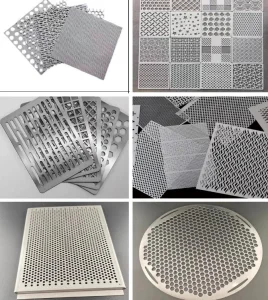
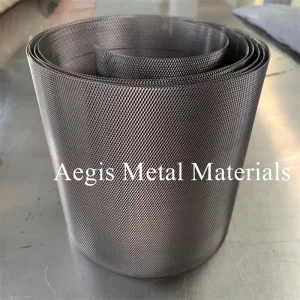
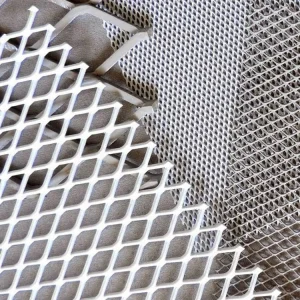
As a global OEM manufacturer, we design and configure woven wire, expanded metal, and perforated plates to form multi-layer composite structures. These assemblies maximize structural rigidity and chemical compatibility. Unlike generic off-the-shelf items, custom OEM filtration panels are designed for specific operational parameters, addressing custom flow dynamics, boundary layers, and physical footprint limits.
Accurate control of pore geometry down to micron-level tolerances ensures high retention efficiency and prevents contaminant migration in sensitive downstream equipment.
Available in Alloys like SS304, SS316L, Duplex Steel, Monel, Hastelloy, and Platinized Titanium for advanced resistance against corrosion, extreme heat, and severe mechanical loads.
Designed to minimize initial pressure drops, reduce energy consumption, and support efficient backwashing or cleaning cycles to extend total system life.
Dongguan Reivanta Mesh Co., Ltd. is a specialized China wire mesh supplier focusing on industrial filtration mesh, copper mesh, and security fencing products. Located in Dongguan, a major industrial manufacturing hub, the company delivers high-quality metal mesh solutions for global industrial, commercial, and infrastructure applications.
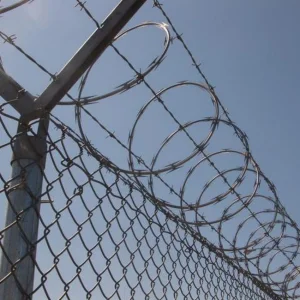
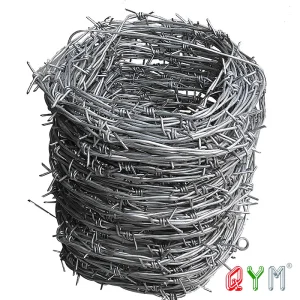
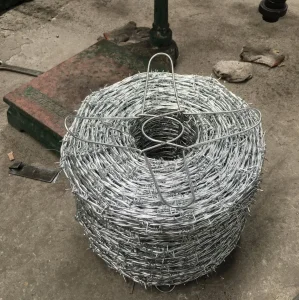
Reivanta offers a comprehensive product range. This includes stainless steel filtration mesh for precision separation, copper and alloy mesh for electrical and decorative applications, and durable barbed wire and fencing systems for secure perimeter protection. Utilizing advanced weaving, automated welding, and custom surface treatment processes, we ensure consistent quality, chemical corrosion resistance, and prolonged service life across our entire product line.
Our commitment to innovation, product quality, and customer satisfaction drives us to supply dependable, cost-effective, and fully customized wire mesh designs worldwide. By matching unique operating criteria with specific wire diameters, alloys, and frame styles, we provide a complete engineering service from CAD prototyping to volume production.

Founded as a specialized workshop in Dongguan, focusing on basic wire mesh processing, local tool fabrications, and support for regional processing plants.
Expanded production facilities, introduced high-grade stainless steel weaving machines, and began exporting customized filtration mesh panels globally.
Installed automated manufacturing lines, introduced computerized mesh tensioning systems, and established a dedicated laboratory for metallurgical and filtration testing.
Completed transition to a multi-industry supplier, offering specialized lines across industrial filtration, architecture, electrical shielding, and perimeter security.
The industrial landscape is moving toward cleaner operations and tighter emission limits. Consequently, the technology behind wire mesh filtration has evolved from simple sieving to complex chemical, thermal, and mechanical separation. We track and analyze these shifts to align our production capabilities with modern engineering needs:
Standard grade steels are increasingly replaced by Super Duplex, Inconel, and Hastelloy. These materials prevent chemical degradation, structural creep, and stress-corrosion cracking in subsea oil recovery and modern chemical reactors.
Single-layer wire mesh panels are prone to shifting under backwashing pressures. Combining multiple wire mesh structures via heat and pressure creates stable, multi-layered panels that maintain pore size consistency throughout operation.
Food, beverage, and pharmaceutical sectors require smooth, oxide-free surfaces. Electropolished finishes, clean welding, and compliance with European and FDA food contact regulations are now standard industry requirements.
Choosing the correct mesh technology is critical. Below is a comparative overview of standard industrial options for filtration panels:
| Filtration Media Type | Micron Range | Mechanical Durability | Differential Pressure Resistance | Typical Applications |
|---|---|---|---|---|
| Woven Wire Cloth (Stainless/Bronze) | 2µm – 200µm | Medium to High | Moderate (Requires support grid) | Hydraulic systems, polymer melt, fuel filtration |
| Perforated Metal Plate Panels | 0.5mm – 50mm | Extreme | High | Coarse straining, aggregate screen, mining backings |
| Sintered Multi-Layer Panels | 1µm – 100µm | Very High | High | High-pressure steam, catalyst recovery, subsea gas |
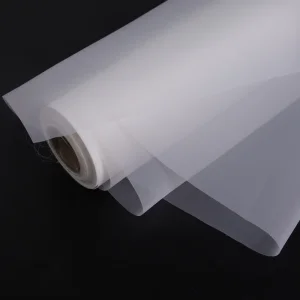
| Synthetic Polymer Mesh (Nylon/Polyester) | 5µm – 1000µm | Low | Low | Food shops, potable water, medical diagnostics |
Our custom OEM filtration panels serve diverse, demanding environments. Each application requires careful calculation of open area percentage, fluid viscosity, velocity parameters, and chemical resistance:
Upstream operations require sand control screen panels to protect downhole pumps. In downstream processing, our heavy-duty stainless steel mesh elements serve in FCC catalyst recovery units and gas sweetening loops. These applications demand high chemical stability and erosion resistance under high velocity.
Maintaining purity requires hygienic design and contamination-free performance. Our FDA-compliant nylon mesh fabrics and electropolished stainless mesh screens ensure clean performance. They are designed for easy cleaning (CIP/SIP) and prevent particle shedding during operations.
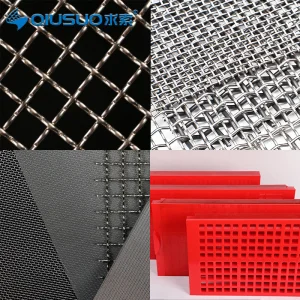
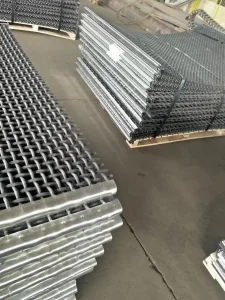
Vibrating screens experience high abrasive wear. We construct heavy-gauge, crimped steel mesh panels and polyurethane screen options to withstand coarse aggregates. These structures are built to resist blind loading and high impact forces.
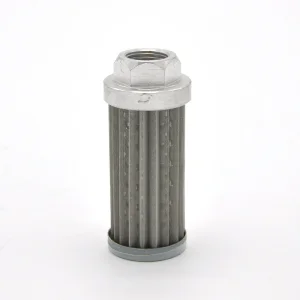
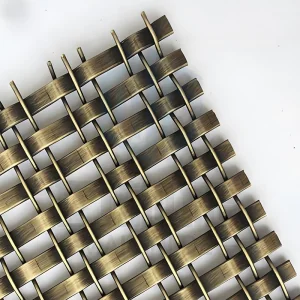
In aerospace, filters must operate reliably under high vibration. We manufacture specialized hydraulic filter components and conductive copper-bronze screens. These products provide electromagnetic interference (EMI) shielding while maintaining airflow.
Procuring industrial filtration components requires balancing quality, reliability, and cost. Modern supply chains require trace-verified materials, manufacturing transparency, and dependable delivery schedules. We structure our OEM and export services around four key pillars to support global procurement teams:
Filters are critical components; failures can lead to downstream equipment damage, environmental release, or product contamination. We adhere to rigorous global engineering and safety standards to ensure performance:
Quality management protocols are applied at every stage of production, from raw wire drawing and tension setting to final frame welding and inspection.
Filtration weaves are verified against strict international standards for wire diameter tolerances, aperture size variations, and physical construction.
All synthetic polymers (nylon, polyester) and stainless steel mesh designed for direct contact with food or pharmaceuticals are manufactured with clean materials and lubricants.
Modern production processes require more efficient filtration. Our research and development focuses on three primary innovations to meet future requirements:
By combining traditional metal wire meshes with electrospun nanofibers, we are developing hybrid panels capable of filtering particles below 0.5 microns while maintaining high permeability.
Integrating miniature pressure and flow sensors directly into filter panel frames allows operators to track differential pressure trends in real-time, enabling predictive maintenance schedules.
We are testing specialized hydrophobic and oleophobic surface coatings. These treatments prevent sticky solids and biological films from adhering to the screen, reducing cleaning frequency.
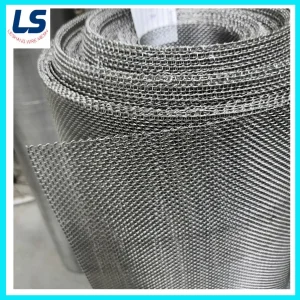
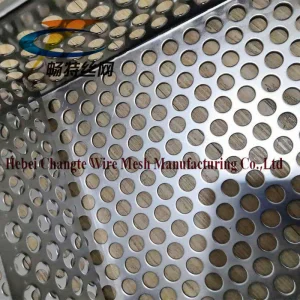
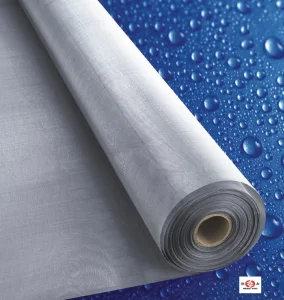
Woven wire mesh uses interlacing wires to achieve fine filtration down to micron levels. It offers a large percentage of open area, making it ideal for high-precision gas and fluid separation. Perforated metal panels are punched from solid metal sheets. They provide higher mechanical strength and resistance to differential pressure, making them suitable for coarse separation, aggregate sorting, and as support backing for fine woven layers.
Stainless Steel 316L contains 2-3% Molybdenum and has a lower carbon content than SS304. This configuration provides superior resistance to pitting corrosion in chloride environments and prevents intergranular corrosion during welding, which is critical for chemical processing, marine applications, and pharmaceutical systems.
To determine the correct rating, analyze the target particle size distribution, fluid viscosity, operating temperature, and allowable pressure drop. Fine ratings provide high filtration efficiency but can lead to faster fouling and higher pressure drops. A balance between flow capacity and particle retention is required, often achieved by combining coarse pre-filter layers with a fine filter mesh.
We provide full customization, including custom frame designs, U-binders, wire diameters, specialized weaves (Plain, Twill, Dutch, Reverse Dutch), material selections (Stainless steel, copper, bronze, titanium), and surface treatments like passivation, electropolishing, and plating.
Our manufacturing and QC testing processes align with ISO 9001:2015 quality standards. Exported shipments are accompanied by Material Test Certificates (MTC) and compliance reports verifying ASTM E11 specifications and chemical properties.
 Reivanta Mesh