Explore high-precision engineering solutions built for rigorous operations in filtration, shielding, and safety infrastructure.
Analyzing key structural shifts in high-precision woven materials and industrial metal meshes.
Increasing reliance on high-durability alloys such as AISI 316L, 904L, and Duplex steel. These materials ensure optimal performance against pitting corrosion under extreme temperatures, particularly in maritime and chemical installations.
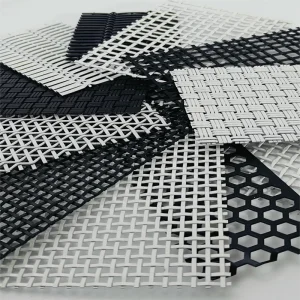
Modern process engineering requires aperture tolerances down to the sub-micron scale. Manufacturers are adapting with advanced weave patterns (e.g., Dutch Twill, Reverse Weaves) to secure high particle separation indexes.
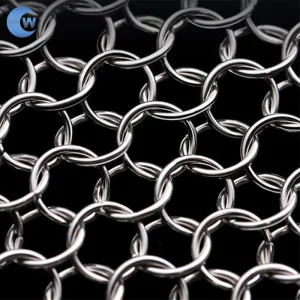
Expanding from industrial usage into architectural design, flexible ring curtains and customized panels serve dual roles: functional solar shading and modern building aesthetic enhancement.
| Material Category | Common Standard Grades | Primary Industrial Use Case | Key Properties |
|---|---|---|---|
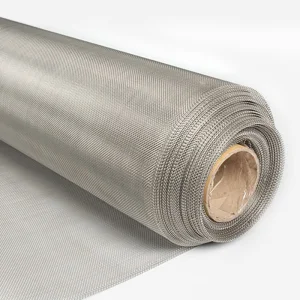
| Stainless Steel Woven Wire | AISI 304, 316, 316L, 321 | Liquid/Solid separation, chemical filtration | High tensile strength, acid resistance, thermal integrity |
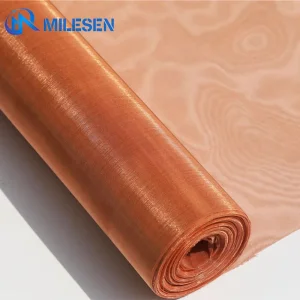
| Pure Copper / Alloy Mesh | C11000 Electrolitic, Phosphor Bronze | Faraday cage shielding, electronic decoration | Excellent electrical/thermal conductivity, ductility |
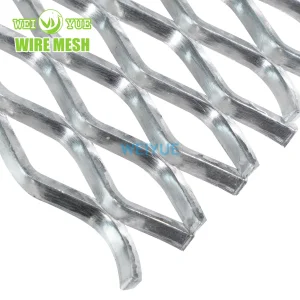
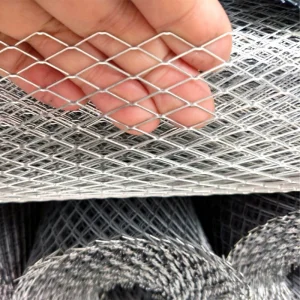
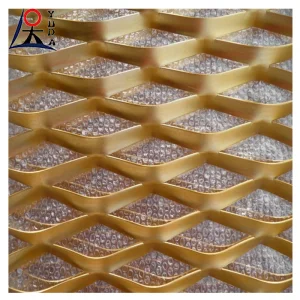
| Expanded Metal Panels | Carbon steel, Aluminum alloy | Structural walkways, architectural cladding | Seamless structure, cost-efficient weight-to-strength ratio |
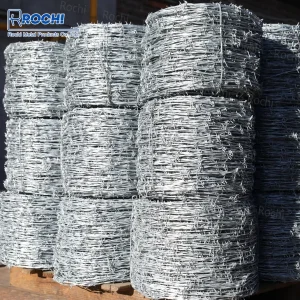
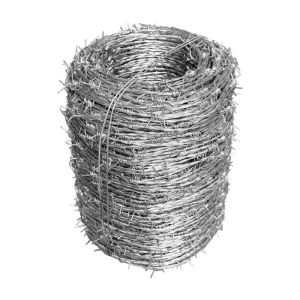
| Galvanized Fencing Wire | ASTM A641/A641M Class 3 | Industrial site perimeter security | Heavy zinc coating thickness, rust prevention |
A benchmark for quality control and technical evolution among top Chinese wire mesh exporters.
Dongguan Reivanta Mesh Co., Ltd. is a professional China wire mesh supplier specializing in industrial filtration mesh, copper mesh, and security fencing products. Located in Dongguan, a major manufacturing hub, the company is dedicated to providing high-quality metal mesh solutions for global industrial, commercial, and infrastructure applications.
Founded in 2012, Reivanta began as a small workshop focusing on basic wire mesh processing for local industries. By 2016, the company expanded its production capabilities and entered international markets, supplying customized filtration mesh solutions. In 2019, Reivanta introduced automated production lines and enhanced R&D capacity, enabling high-precision and large-scale manufacturing. By 2023, the company had established a comprehensive product system covering industrial filtration, decorative mesh, and security fencing. Today, Reivanta continues to grow as a trusted global supplier.
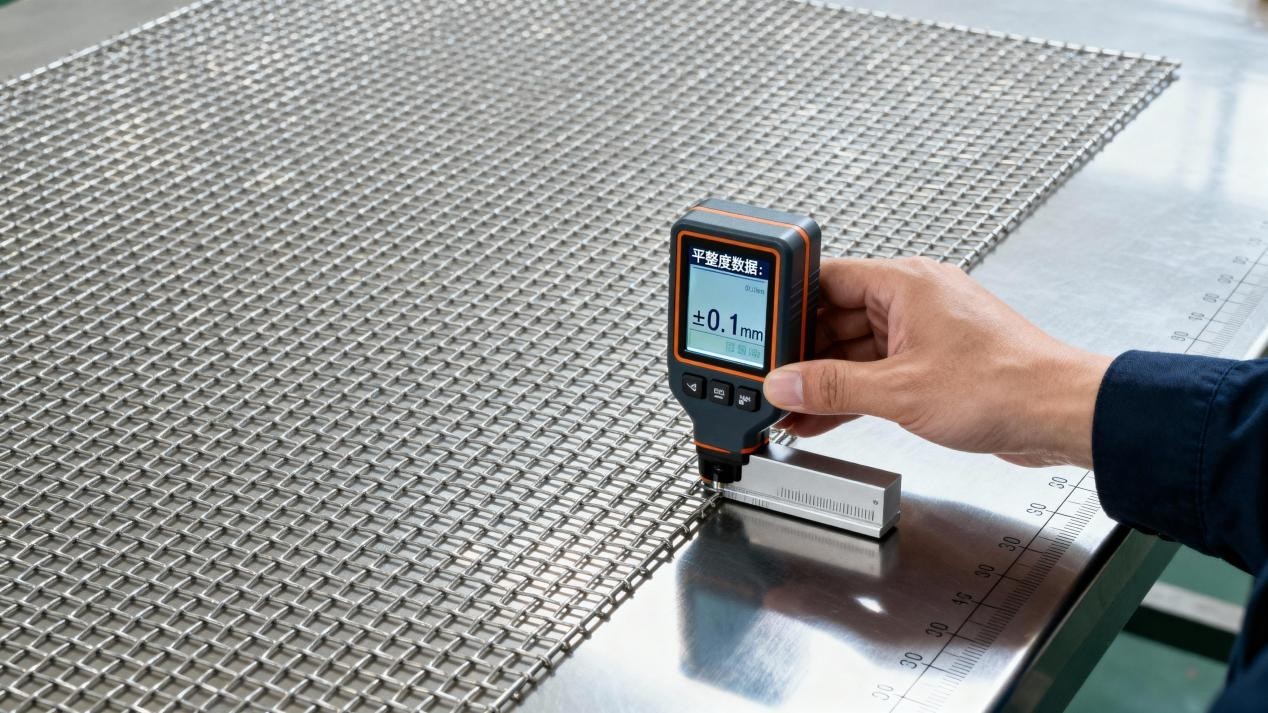

Reivanta offers a diverse product range including stainless steel filtration mesh for precision separation, copper and alloy mesh for electrical and decorative uses, and durable barbed wire and fencing systems for security protection. With advanced weaving, welding, and surface treatment technologies, the company ensures consistent quality, corrosion resistance, and long service life across all products.
Committed to innovation and customer satisfaction, Dongguan Reivanta Mesh Co., Ltd. strives to deliver reliable, cost-effective, and customized wire mesh solutions worldwide. By establishing active partnerships with metallurgical labs, they guarantee that every shipment is delivered with verified material certificates, satisfying strict international safety standards.
How B2B procurement professionals assess and mitigate risk when choosing wire mesh exporters.
Top-tier exporters must provide Positive Material Identification (PMI) certifications. Unverified alloy compositions lead to catastrophic failures under corrosive environments like chemical processing and coastal infrastructure.
Uniform warp/weft spacing and wire diameters are critical for filtration accuracy and machinery lifespan. A deviation of just 2 microns can disrupt continuous hydraulic filtration systems.
Exporters must align their production processes with globally recognized guidelines including ASTM E2016-15, ISO 9044, and RoHS/REACH compliance frameworks to clear environmental safety barriers.
Tailored configurations engineered to meet the structural and physical parameters of diverse industries.
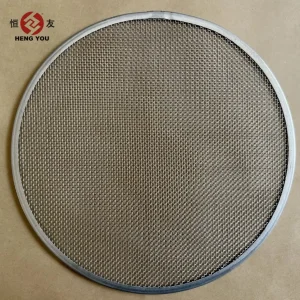
High-precision stainless steel mesh discs (AISI 316L, Duplex) are widely deployed to handle high-viscosity oil filtration. They effectively trap particulates while sustaining substantial hydraulic pressures and preventing structural deformation.
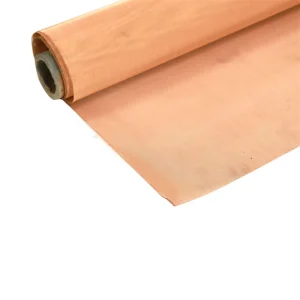
Pure copper wire screen (spanning 150 to 400 mesh) constructs highly reliable Faraday Cages. These meshes screen high-frequency signal interference in cleanrooms, military bunkers, and MRI scanning areas.
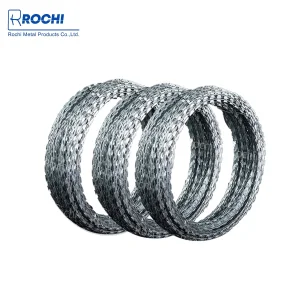
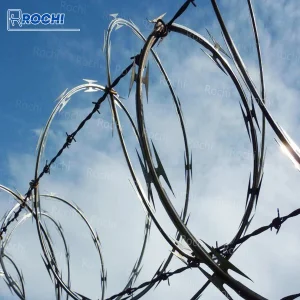
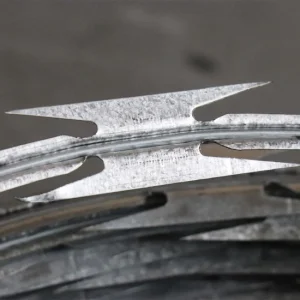
Hot-dipped galvanized Concertina razor wires and heavy-duty high-tensile barbed wires protect high-risk perimeters. Engineered for quick deployment and severe cut-resistant capability.
The convergence of computerized weaving, alloy research, and ecological manufacturing.
Modern factories are integrating IoT systems with heavy-duty rapier looms. Real-time optical monitoring scans every square inch, immediately detecting and auto-correcting broken wefts during production.
Environmental requirements demand cleaner surface finishes. Advanced acid-free chemical baths provide clean passivation layers, extending salt spray resistance by up to 50% without hazardous runoff.
Transitioning toward recyclable protective layers and ocean-grade plastic-free wood preservation crates reduces the overall B2B carbon footprint, aligning with strict EU Green Directives.
Direct technical answers from material specialists and global logistics coordinators.
Select specialized specifications and decorative meshes designed for durability and structural resilience.
 Reivanta Mesh