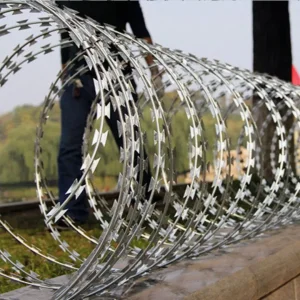
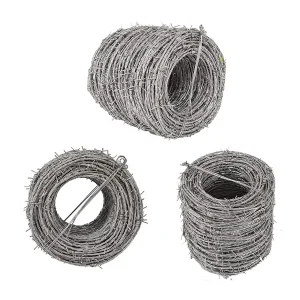
Engineered for Comoros' highly corrosive saline environments, these flagship products combine physical perimeter resistance with unmatched lifespan security.
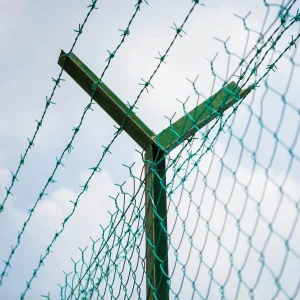
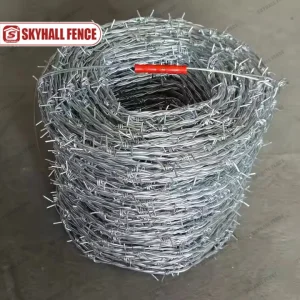
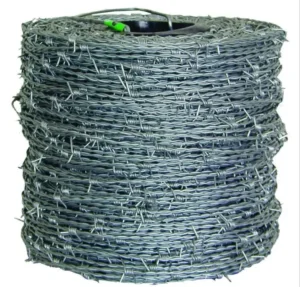
Analyzing physical security parameters, logistical considerations, and climatic challenges for boundary protection within the islands of Grande Comore, Anjouan, and Mohéli.
The Comoros, an archipelago situated in the warm, saline waters of the Mozambique Channel, experiences high ambient relative humidity, tropical rains, and severe salt spray. Traditional security fencing made from low-carbon mild steel rapidly oxidizes under these conditions, losing structural integrity within 12 to 18 months.
For sustainable infrastructure investment, engineering projects in Moroni, Mutsamudu, and Fomboni mandate advanced high-tensile carbon steel core wires layered with a high-density zinc coating (Class A / Class 3 hot-dipped galvanizing, up to 275 g/m²). This acts as a sacrificial barrier against seawater aerosols and volcanic sulfur traces, ensuring an extended operational life exceeding 15 years.
Our heavy hot-dipped galvanized carbon steel options conform perfectly to ISO 9223 C5-M corrosivity categories, guaranteeing uninterrupted performance for ports, custom zones, and ocean-facing farms across the Comoros.
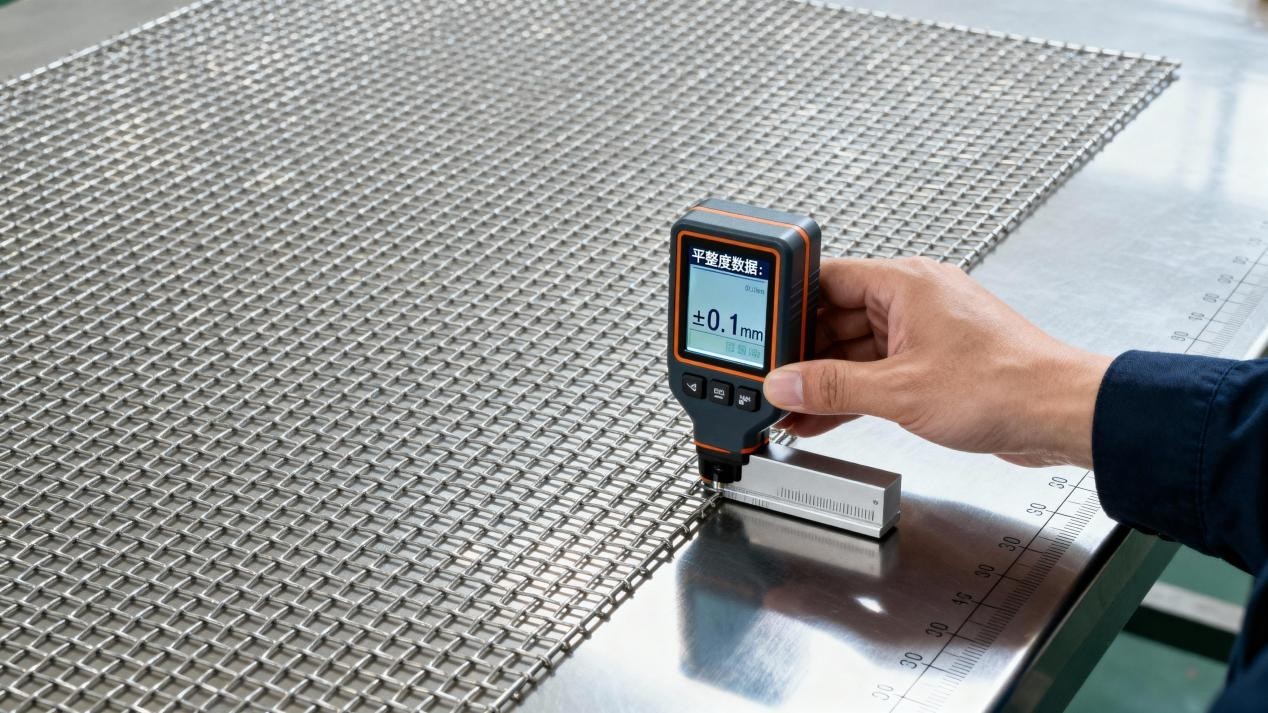
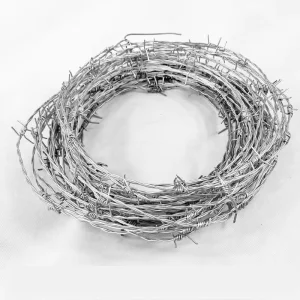
Comoros relies on high-value cash crops including vanilla, cloves, and ylang-ylang. Protecting these valuable plantations from physical intrusion, wild fauna, and theft is vital for the local economy. Standard wire fences stretch and sag easily under physical pressure, creating gaps. In contrast, High Tensile Barbed Wire possesses elastic properties, keeping the boundary taut under constant strain. This minimizes recurring maintenance labor, making it the most cost-effective long-term system for rural agricultural estates across the islands.
A data-driven engineering comparison outlining why structural high-tensile wire is the modern industry standard over conventional low-carbon barb wire.
| Performance Metric | High Tensile Barbed Wire (Reivanta Pro) | Conventional Low Carbon Wire | Engineering Benefit |
|---|---|---|---|
| Tensile Strength (MPa) | 1150 – 1500 MPa (Grade 80+) | 350 – 500 MPa | Resists mechanical cutting tools and animal impact without structural failure. |
| Elongation Rate (%) | 1% – 4% maximum | 10% – 15% | Does not sag or stretch over time; eliminates the need for seasonal tensioning. |
| Zinc Coating Density (g/m²) | 230 – 290 g/m² (Hot-Dipped Galvanized Class A) | 30 – 60 g/m² (Electro-galvanized) | Superb corrosion resistance, withstanding C5-M salty oceanic conditions. |
| Post Spacing Intervals | Every 4 to 6 Meters | Every 2 to 3 Meters | Reduces the total volume of support posts required, saving 30%+ on installation costs. |
| Wire Gauge Diameter | Main: 1.6mm - 2.0mm; Barbs: 1.5mm - 1.8mm | Main: 2.5mm; Barbs: 2.0mm | Lightweight design with higher strength, reducing freight costs per linear meter. |
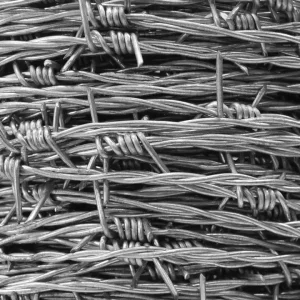
Our automated production facilities implement both traditional and reverse twist methodologies. For high tensile applications, Reverse Twist technology is highly recommended. The alternating directional twists prevent the barb spindles from slipping out of alignment while resolving directional tension stress. This guarantees that if the wire is subjected to severe mechanical pressure, the forces are dispersed along the entire structural run rather than warping a single section.
Analyzing procurement routes, packing protocols, and transit efficiency from manufacturing hubs directly to the Comoros Archipelago.
Procuring raw metallic fencing materials for East African island nations demands strict logistical planning. High-tensile steel wire coils are highly susceptible to oxidation during sea transit if improperly sealed. At Dongguan Reivanta Mesh Co., Ltd., we mitigate these risks by using marine-ready protective packaging. Every single wire reel is tightly bound, wrapped in heavy-duty moisture-barrier shrink wrap, placed on reinforced steel or fumigated wooden pallets, and secured within dry shipping containers to prevent shifting and friction during long ocean voyages.
Because high-tensile wire achieves comparable strength with a smaller core wire diameter, a single shipping container can carry up to 40% more linear meters of fencing compared to thick, heavy low-carbon alternatives. This greatly reduces ocean freight costs per meter for Comoros importers.
Leveraging state-of-the-art weaving automation and comprehensive metallurgic quality assurance systems in Dongguan.

Founded in 2012, Dongguan Reivanta Mesh Co., Ltd. has grown from a specialized wire mesh workshop into a leading global supplier of high-precision metal filtration systems and high-security structural fencing. Situated in the heart of Dongguan's advanced manufacturing corridor, we serve crucial infrastructure projects worldwide.
Through our 2016 international expansion and 2019 transition to fully automated Industry 4.0 production lines, we have integrated advanced digital control units into our wire drawing and twisting machinery. This ensures uniform wire diameter, exact barb spacing, and highly consistent zinc-alloy adhesion across every production run.
Our commitment to rigorous testing includes on-site tensile strength verification, salt-spray environmental chamber simulation, and zinc coating thickness analysis. By maintaining end-to-end quality control, we deliver reliable, cost-effective security solutions designed to perform under demanding environmental conditions.
Tailoring installation methods and material grades to meet distinct regional and industrial demands across the archipelago.
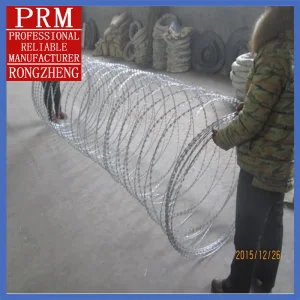
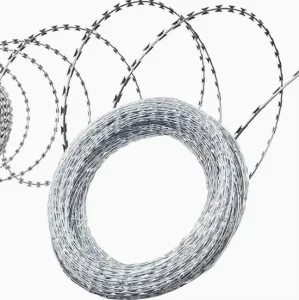
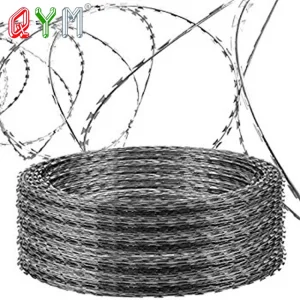
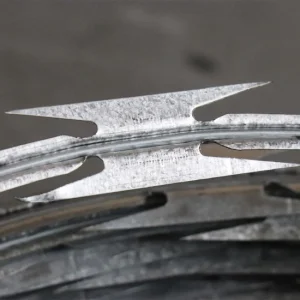
Securing maritime entry zones at the Ports of Moroni and Mutsamudu. Combining high-tensile core backing wire with concertina razor coils prevents perimeter breaches, unauthorized access, and smuggling activities along coastal docks.
Protecting vanilla and clove plantations from encroachment. The long-term tension of high-tensile wire prevents sagging and withstands physical impacts from wild animals, securing remote agricultural yields with minimal maintenance.
Providing high-level perimeter defense for power grids, telecommunication hubs, and regional airports. Utilizing reverse-twist heavy-duty galvanized wire delivers reliable, low-maintenance security for essential municipal facilities.
Explore our comprehensive range of high-security fencing options, customized to meet diverse budget requirements and environmental challenges in the Comoros region.
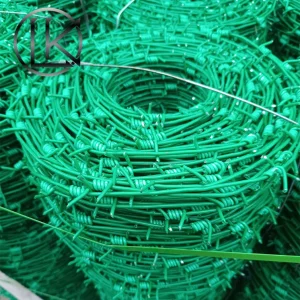
Providing essential technical answers and guidance to help procurement managers and civil engineers select high-tensile fencing systems for projects in Comoros.
High Tensile Barbed Wire utilizes high-carbon steel with a tensile strength exceeding 1200 MPa, compared to only 350-500 MPa for mild steel. This higher load capacity allows it to withstand impact and cutting tools. Additionally, it resists stretching and sagging under structural strain, which minimizes the need for frequent retensioning in remote volcanic agricultural regions like Grande Comore.
For coastal applications located within 5 kilometers of the ocean (subject to severe marine salinity), we recommend choosing hot-dipped galvanized wire with a Class A coating (minimum 240 g/m² to 290 g/m²). For maximum durability in harsh maritime environments, a heavy-duty PVC or polymer coating over a galvanized steel core provides an extra physical barrier against saltwater aerosols.
Because high-tensile steel wire retains its tension without sagging, you can space support posts every 4 to 6 meters, compared to the 2 to 3 meters required for low-carbon wire. This reduces the number of posts needed by up to 50%, generating significant savings in both material and labor costs.
Traditional twist runs the wire strands in a single direction. Reverse twist alternates the twisting direction between the barbs, which balances internal mechanical stresses. This keeps the wires balanced, prevents the barb spindles from shifting under physical pressure, and ensures the fence line remains highly secure over time.
We wrap every high-tensile wire reel in protective plastic packaging and secure them on heavy-duty, fumigated wooden or steel pallets. This moisture-resistant barrier safeguards the materials from high humidity during sea transport, ensuring they arrive in pristine condition at the Port of Moroni.
Yes, we provide complete Material Test Reports (MTRs) with every shipment. These reports document crucial performance metrics, including tensile strength (MPa), zinc coating weight (g/m²), wire diameter accuracy, and ISO 9001:2015 quality standards compliance.
Connect with our technical engineering team today for custom specifications, bulk pricing structures, and detailed logistics planning for projects across the Comoros Islands.
Send Inquiry Now Reivanta Mesh