Reivanta Mesh
1 / 5
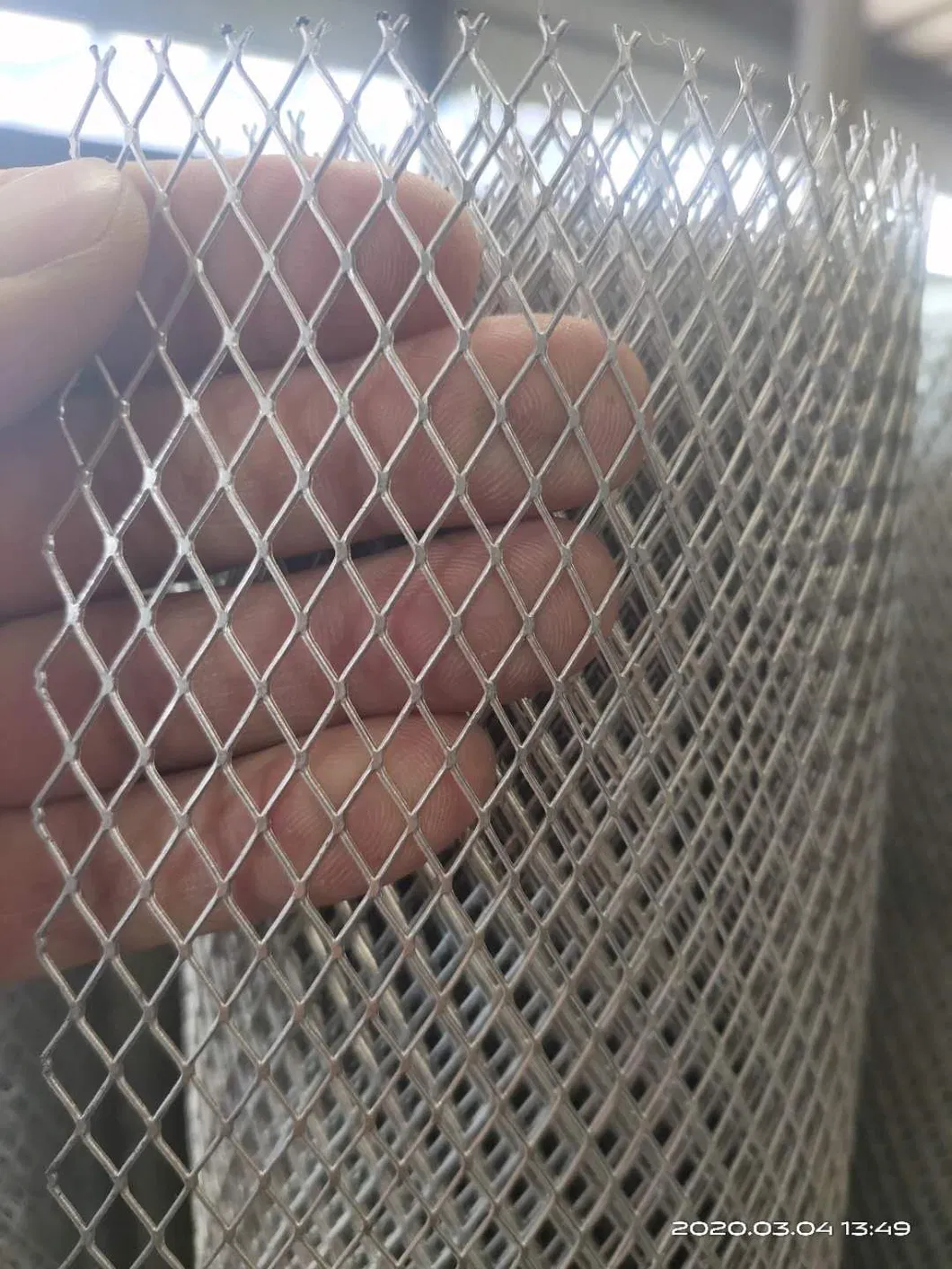
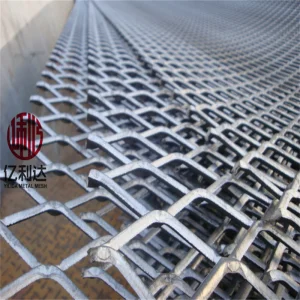
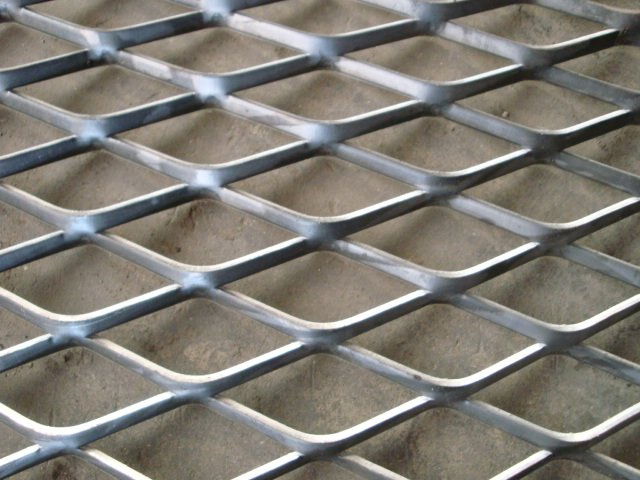
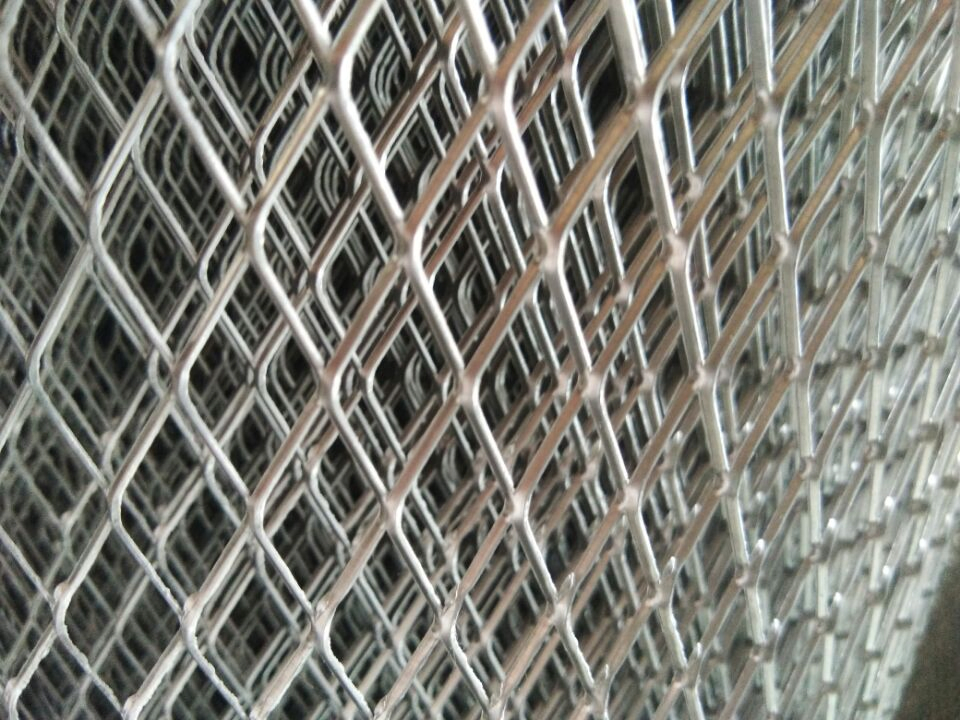
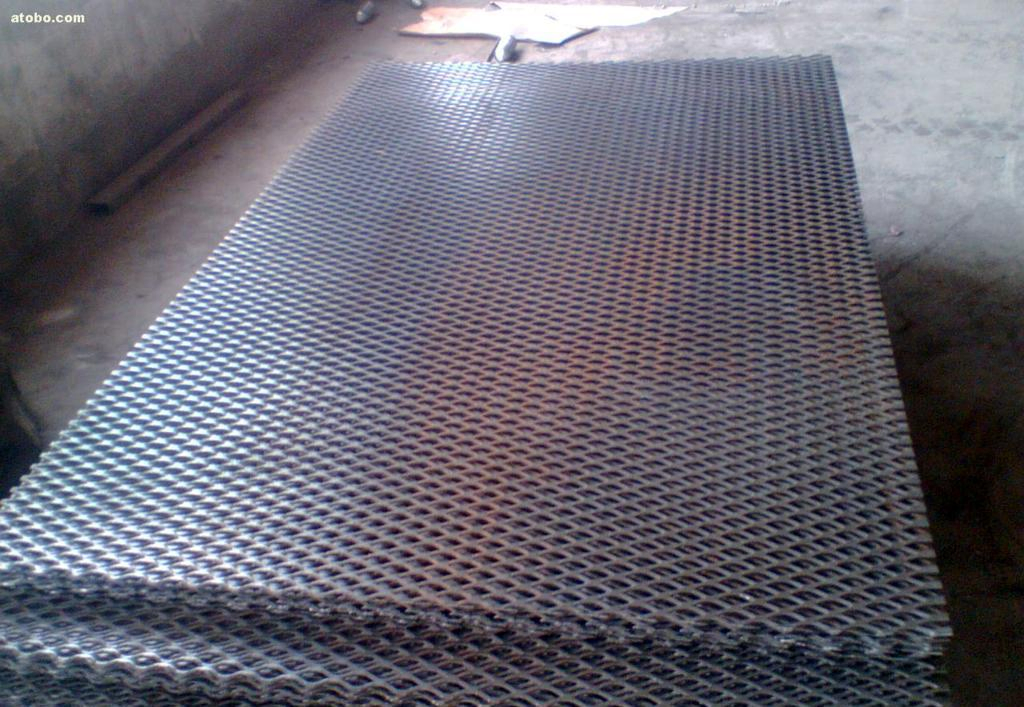
High quality galvanized expanded mesh / pulled plate expanded wire mesh
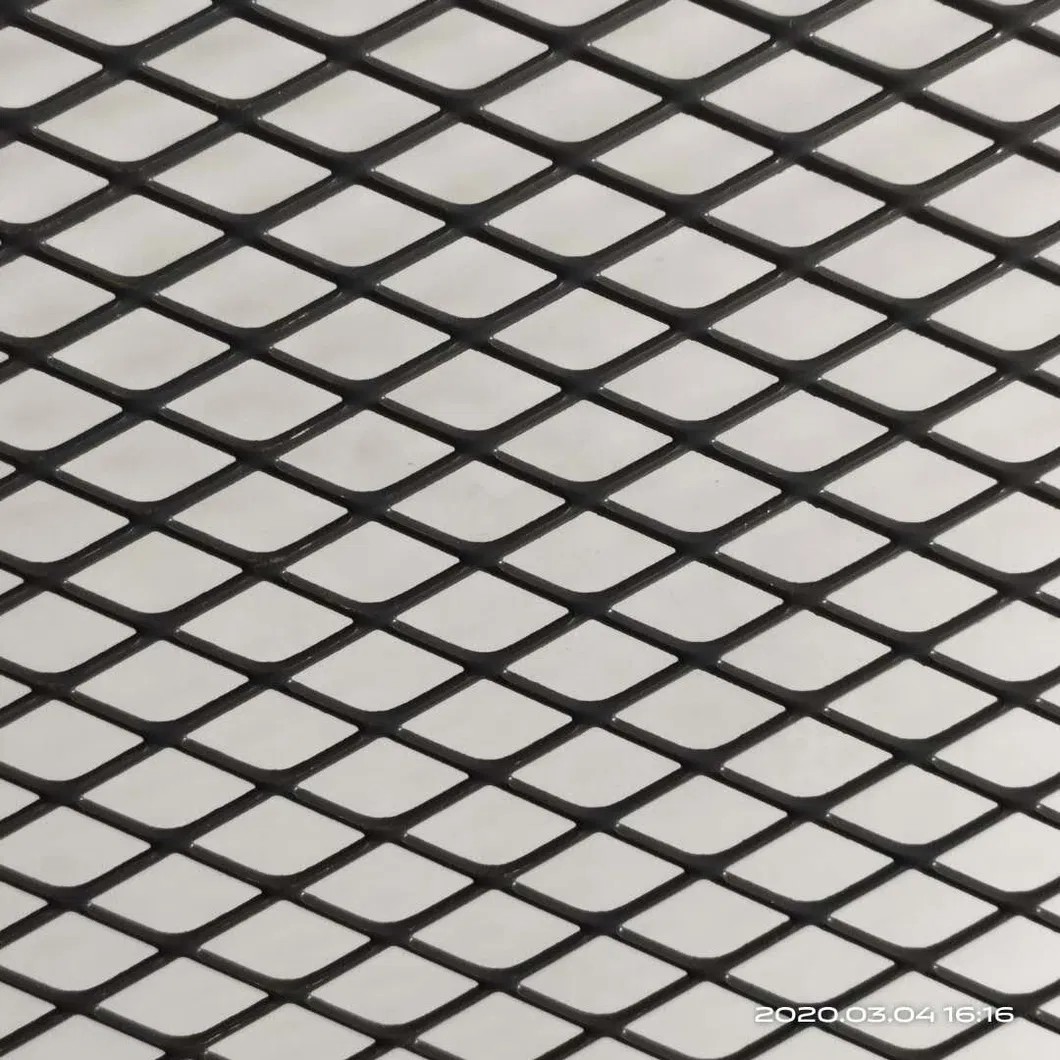
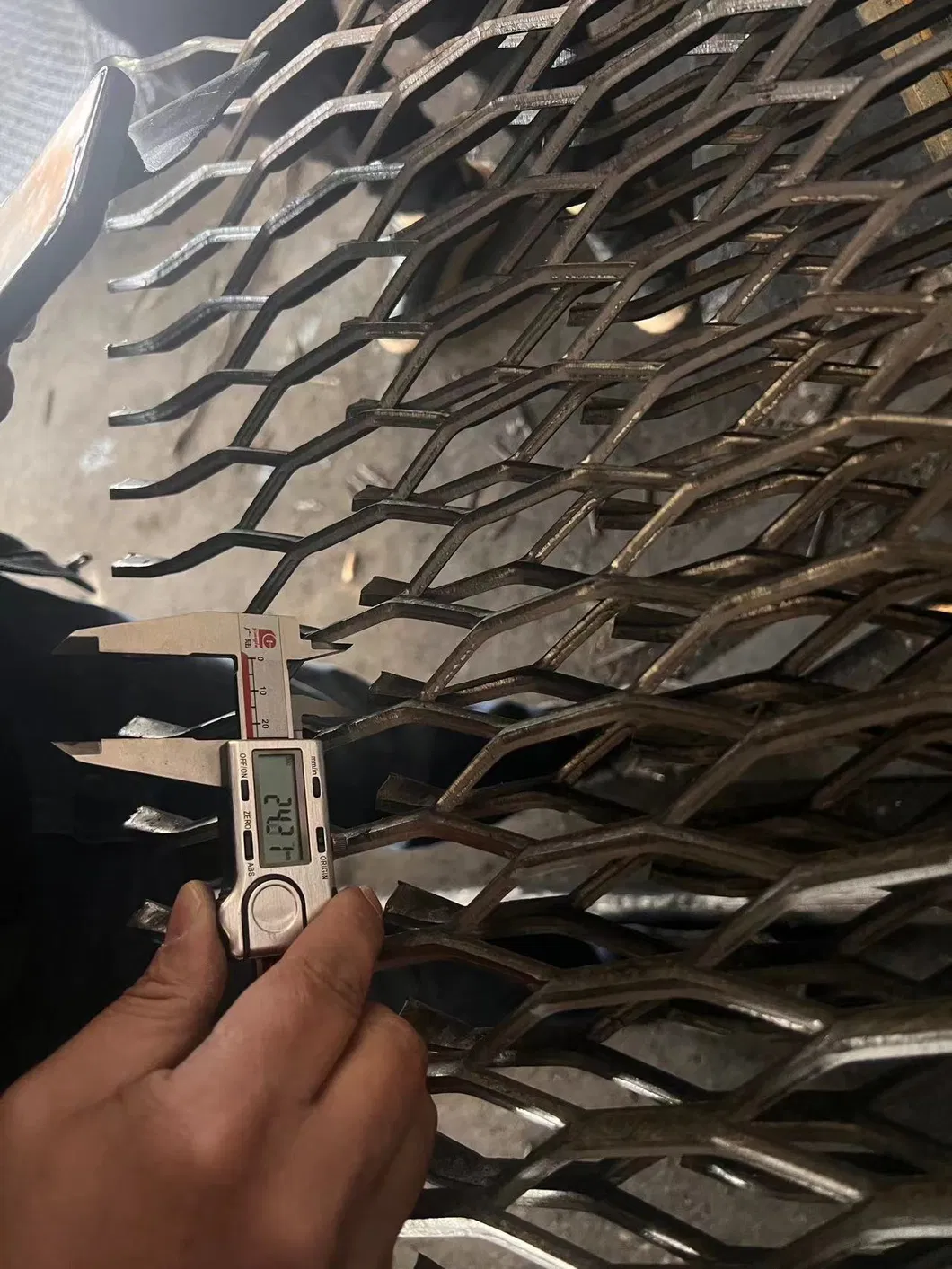
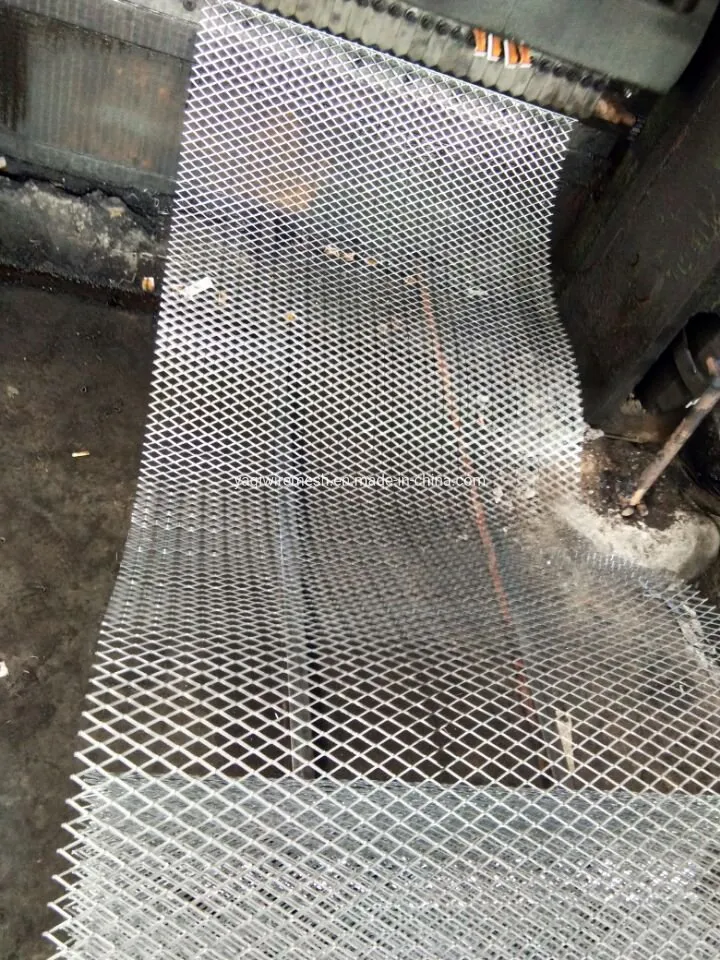
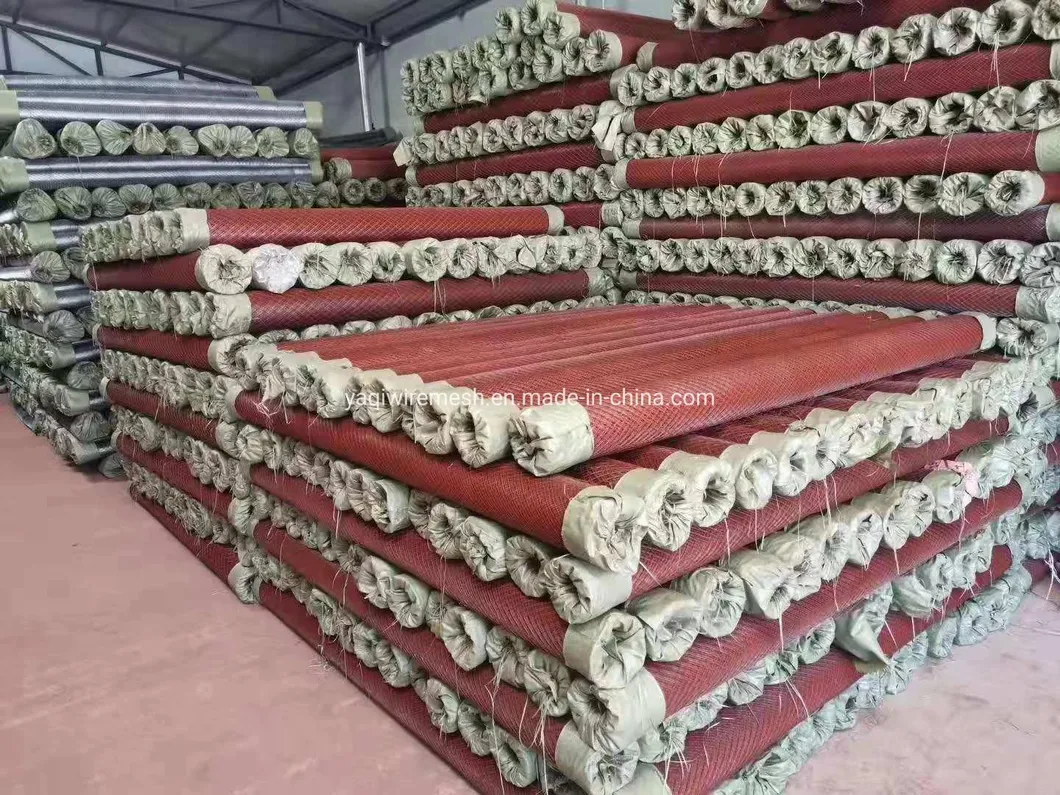
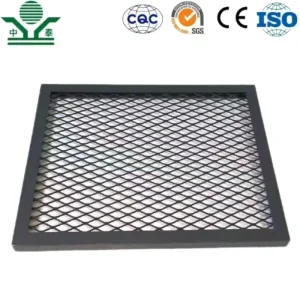
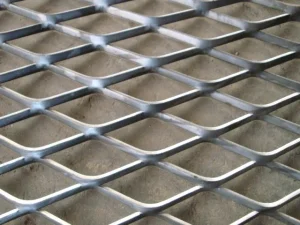
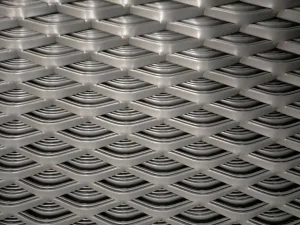
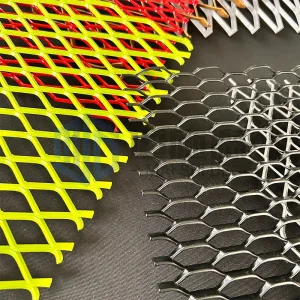
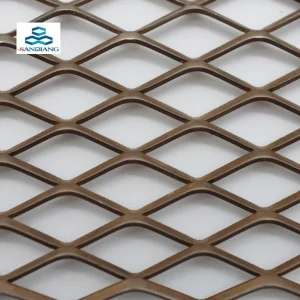
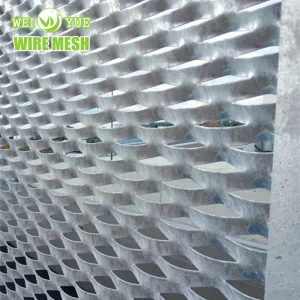
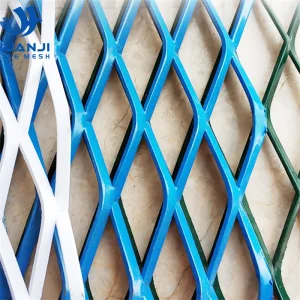
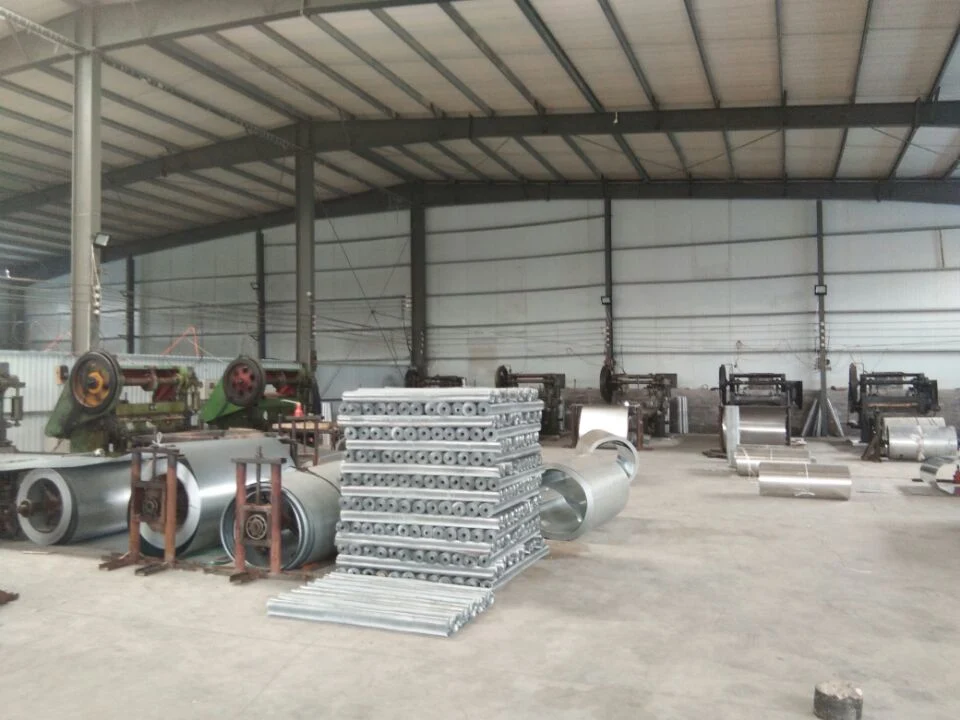
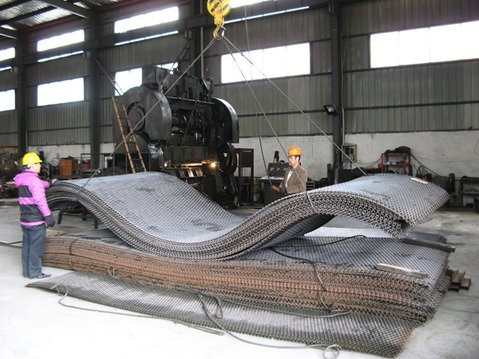
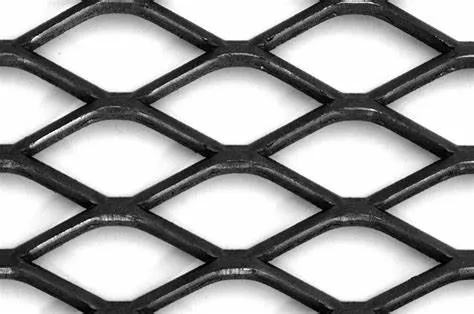
Expanded metal mesh is a rigid piece of metal that has been slit and drawn into an open mesh pattern in a single operation. It is stronger, lighter in weight, and more rigid than the original base metal. Conventional mesh is typically formed in a diamond pattern, though other patterns like hexagonal, round, and triangle are available.
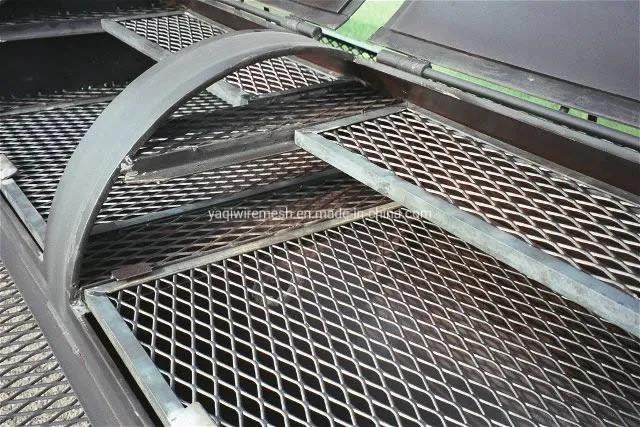
Expanded metal mesh is a multipurpose and economical product. It is widely used in:
| Thickness (mm) | SWD (mm) | LWD (mm) | Stem (mm) | Roll Width (mm) | Roll Length (mm) | Weight (kg/m2) |
|---|---|---|---|---|---|---|
| 0.5 | 2.5 | 4.5 | 0.5 | 0.5 | 1 | 1.8 |
| 1.0 | 10 | 25 | 1.1 | 0.6 | 2 | 1.77 |
| 2.0 | 18 | 50 | 2.1 | 2 | 4 | 3.69 |
| 3.0 | 40 | 80 | 3.8 | 2 | 4 | 5.00 |
| 4.0 | 50 | 100 | 4 | 2 | 2 | 11.15 |
| 6.0 | 50 | 100 | 6 | 2 | 2.5 | 17.35 |
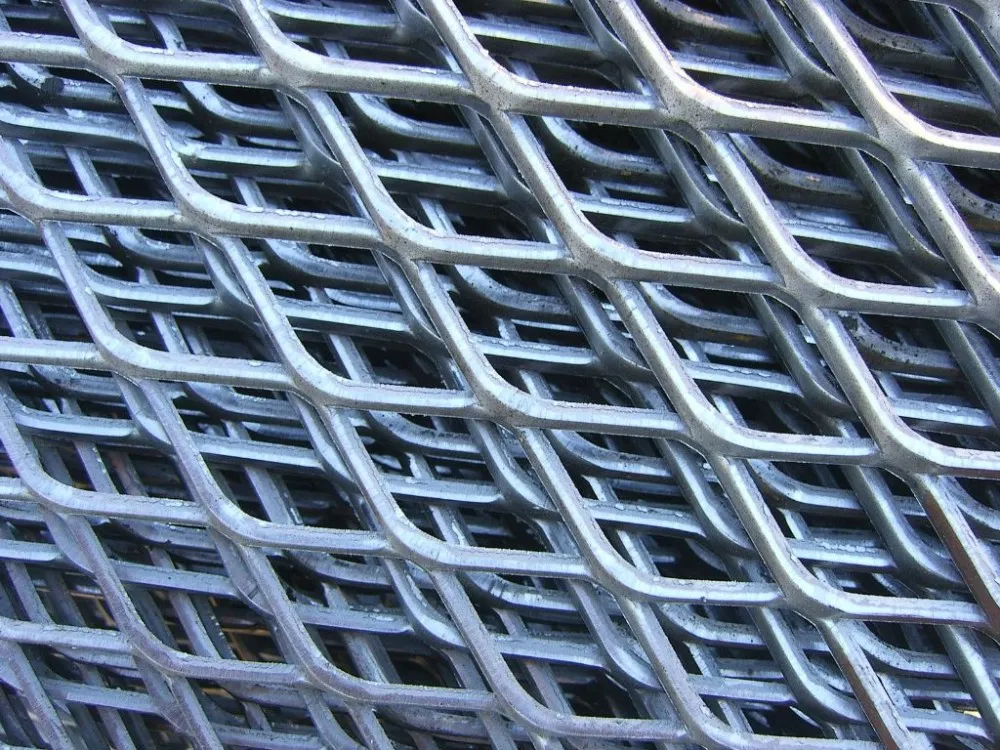
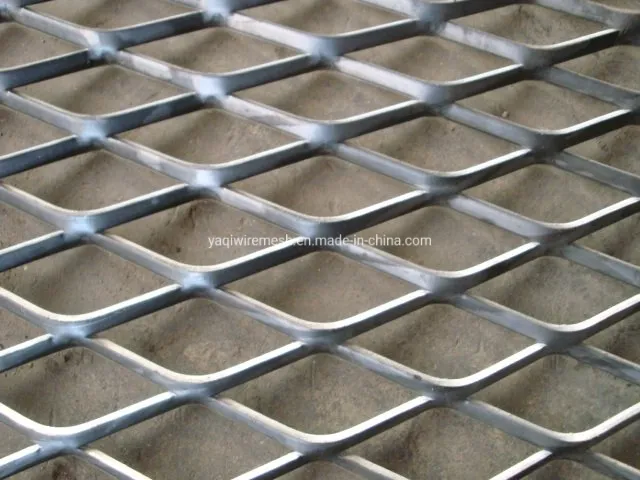
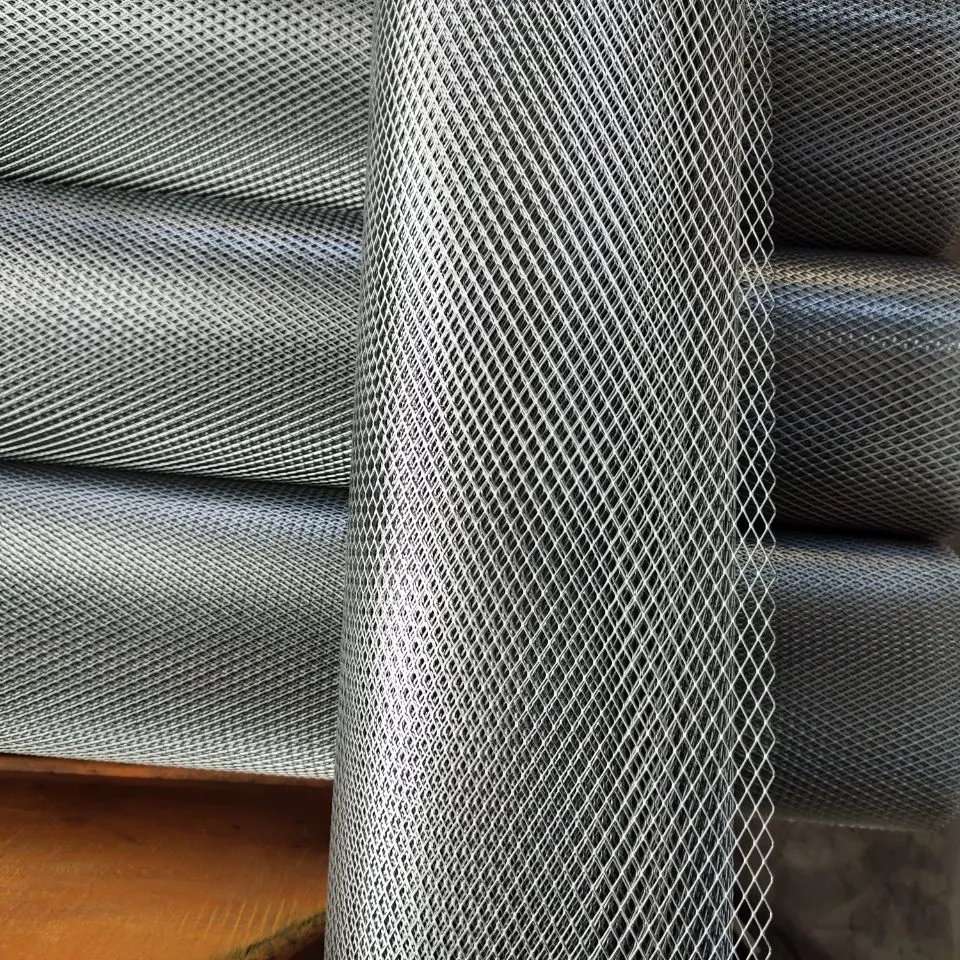

Flattened expanded metal is produced by passing standard expanded metal through a cold rolling mill. This process reduces the thickness and provides a smooth, flat surface. It is ideal for furniture, greenhouse benches, and applications where a lightweight, non-scratch surface is required.